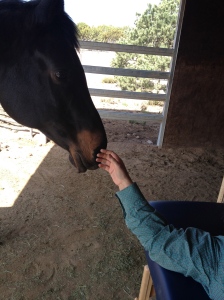
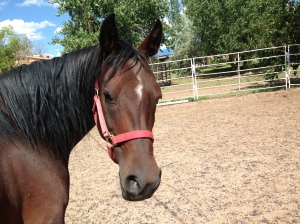
The question: What if I can’t ride my horse? was asked at a clinic some time ago. There are many reasons why we might not be able to ride our horses:
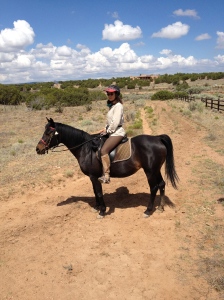

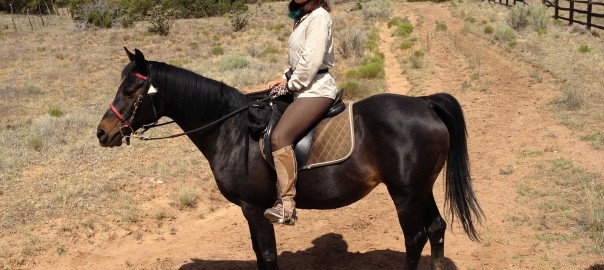
The question: What if I can’t ride my horse? was asked at a clinic some time ago. There are many reasons why we might not be able to ride our horses:
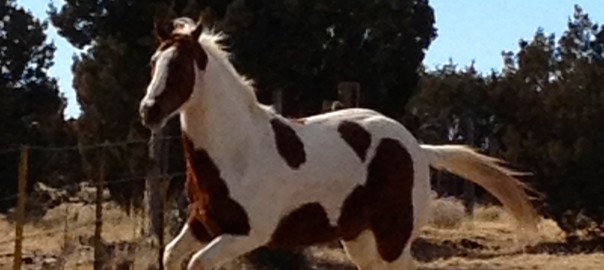
Patches knew all these things …once, and then his life changed. When he came to us he didn’t want to do much that meant he had to “perform.” He had been a ribbon-winning show horse and then a therapeutic riding horse. At first he was on good behavior with us. He loved children so it was easy for him to carry a child. It was one thing he truly enjoyed.
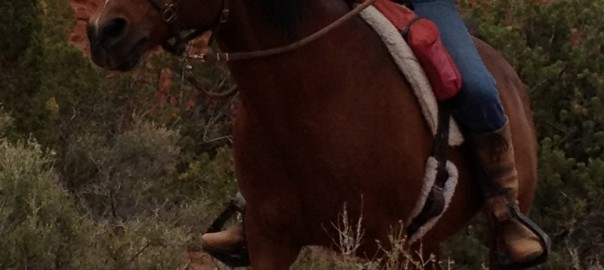
Recently I had a client in my office who had a swollen ankle. She has had a swollen ankle before so I mentioned to her: rest, ice, compression, and elevation of the leg for self-care.
Self-care is a big part of my practice. I said, “okay, if your horse’s fetlock looked like this, what would you be doing?”
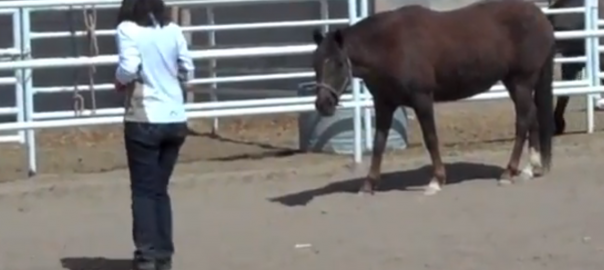
If horses could actually speak words, I am sure they would ask, “got carrots?” Or whatever their favorite snack is. Have you ever noticed how if you have a carrot or cooky, they can barely contain themselves, their focus is entirely on that treat until they find it or get to eat it?
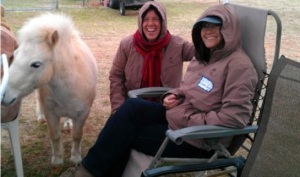
Recently I had a client horse who broke his jaw. This is how it happened: he was clenching his teeth around a bar of his stall door, while his forefeet were on a ledge of that same door. He dropped one foot down and neglected to release his teeth from the bar of the stall. This action broke his jaw on the side of the mandible.
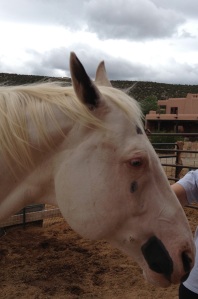
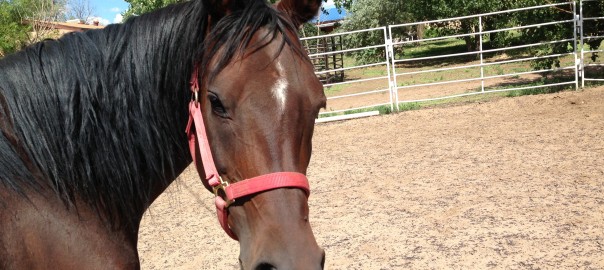
I really like this expression and it fits so many experiences I’ve had with horses, where they see their human not taking appropriate charge and so they feel they must take charge!
Pat Parelli says you must be “mentally, emotionally and physically fit” to handle horses. I would argue that many people who aren’t physically fit can do a lot with horses. To me the bottom line is energetics. The horse recognizes the energy in the person, and will respond to that.
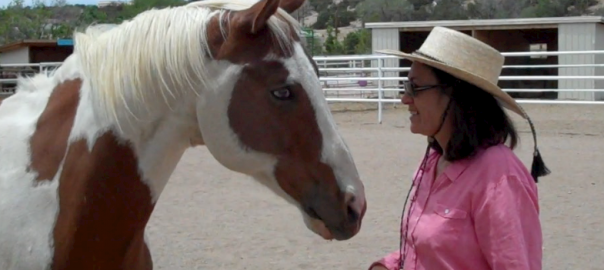
I know what I’m about to write is probably controversial to many people. But I believe therapy horses need help.
Until our gelding Patches came to live with us, I didn’t know much about the horses in therapeutic riding programs. I thought they were doing a public service and that was great. Now I see remnants of that experience in our horse and have spent two years helping him get confident again. During the past two years, I’ve spoken to others who have either worked in such programs or who have horses from the programs and have also seen similar problems these horses suffer.
Are you afraid of your horse? Being afraid of your horse is nothing to be ashamed about. Many horses are scary, or people have had scary things happen with horses. Sometimes people come to liberty training because they are afraid to ride, or have a horse that is unridable or unmanageable. It’s also good to have a healthy fear or caution when working around horses.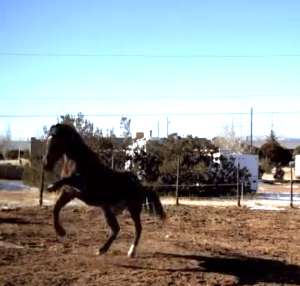 Continue reading Afraid of your horse?
At the recent Society of Ortho-Bionomy Conference in Denver, a colleague of mine who was also a rider, asked me, “Why do my equestrian clients say they are more comfortable in the saddle than out of it?”
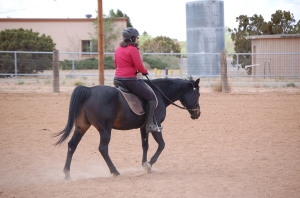 Continue reading Why does it feel better to ride than to walk?