I ask this question because it is a part of the whole perspective about experiencing Liberty Horsemanship with your horse — the getting-to-know-you part that’s so important.

I ask this question because it is a part of the whole perspective about experiencing Liberty Horsemanship with your horse — the getting-to-know-you part that’s so important.
This is a refrain that I heard recently from an owner who was startled by the news. It’s not new; I’ve heard it many times before, spoken to owners with horses who have some behavioral issue. What is going on here?
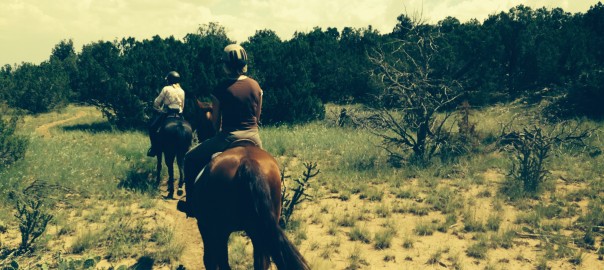
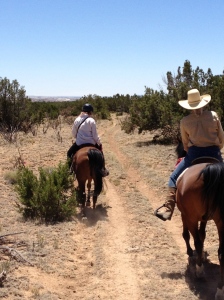
I have recently written about the trail in The Trail as a Metaphor for Life.
Continue reading Sharing heart and mind with your horse on a trail ride
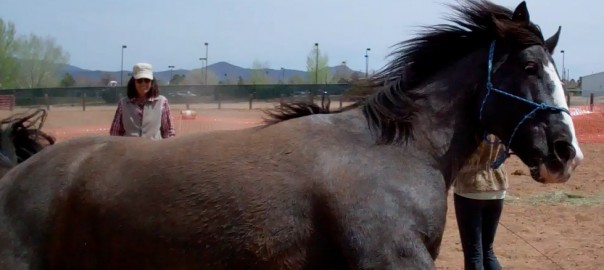
Horses are fearful by nature; they are flight animals. How we address fear in the horse has to be a very fluid and dynamic thing because not all horses will respond to the same approach. A frightened horse is potentially dangerous because they are hard wired to flee or react suddenly when frightened.
For a number of years now, I’ve been doing distance bodywork on horses and people. Honestly, it doesn’t matter how far away those horses are, they can still greatly benefit from this help both anatomically and physiologically.
“At any kind of transition point in our lives we all need the certainty of knowing at some level that we are securely held. This is the ground from which we leap, however near or far, and to which we can return and be welcomed back.” – Wisdom of the Body Moving, by Linda Hartley.
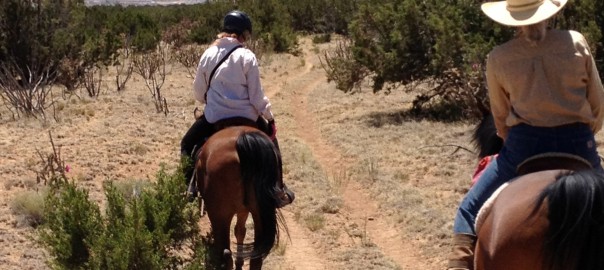
I have ridden many miles of trail in my life. Years ago, I had the thought that the trail really is a metaphor for life, because we choose the trail according to the same basic criteria as we choose to embark on activities in life, except that no one is paying us to do it, usually!
I recently became aware of how the Liberty work I teach really expose to us not only our greatest strengths and weaknesses, but also what parts of the work we are drawn to.
From the standpoint of a bodyworker, when the horse has “had enough” is pretty obvious. But even so, students will continue to press on an area and worry over it even when the horse has moved away. Why don’t they see it? Feel it?