Two days. Five horses. Nine people. Liberty Foundations.
[youtube https://www.youtube.com/watch?v=DjOx3KYPtNM&w=420&h=315]

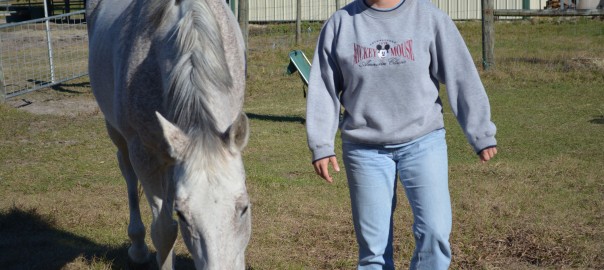
Two days. Five horses. Nine people. Liberty Foundations.
[youtube https://www.youtube.com/watch?v=DjOx3KYPtNM&w=420&h=315]
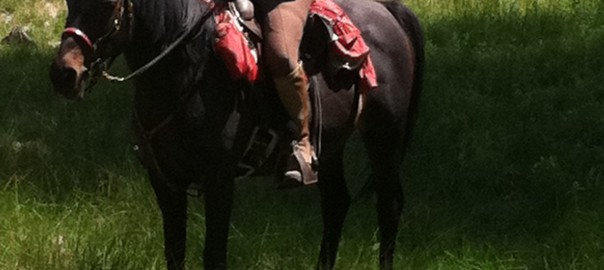
Most people who have been around horses for a long while have suffered injuries. These injuries –unless treated deeply, and I mean with bodywork after the stitches or surgeries have healed, may continue to cause restrictions both in the physical body and the emotional and psychic bodies.
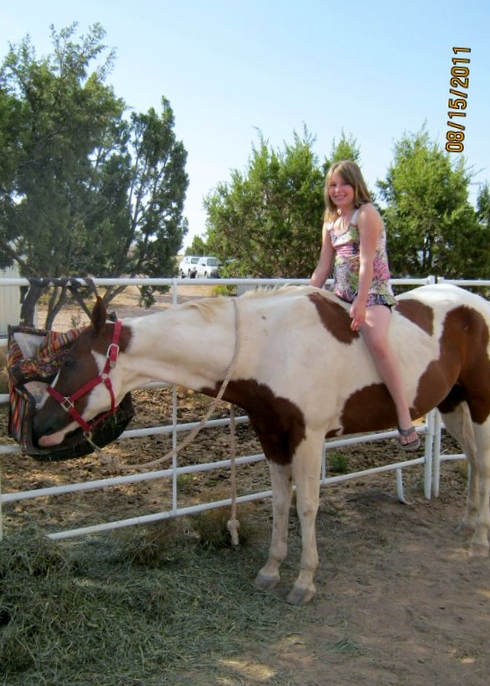
The changes in horse’s living conditions can sometimes make a sensitive horse upset. The things that are constant will comfort him, but the change in surroundings – sights, smells, sounds, can all make a difference to his well being. Until he gets used to it, it can be a time when new behavior emerges.
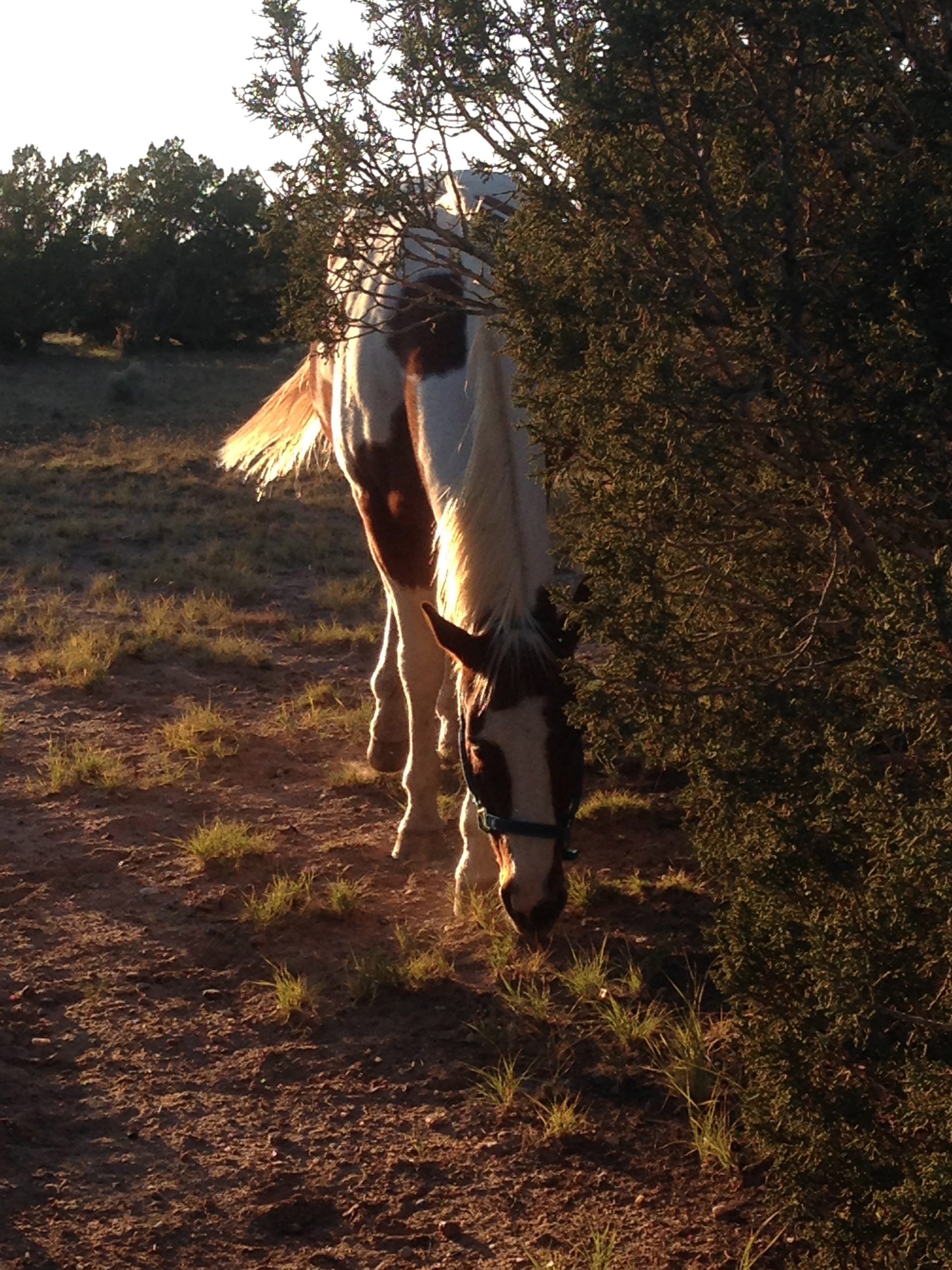 Continue reading The “no change zone” for dealing with changes for horses
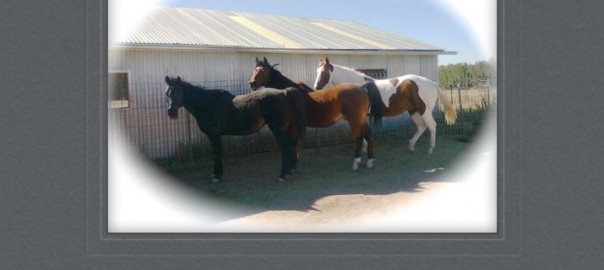
When the old horse was led out past the barn, the younger one lifted his head in curiosity and sniffed the air. Something was not right, or perhaps it was. The old horse had been wobbling, fragile, his skin becoming paper thin and hanging on his bony frame like ghostly fabric. His heart was missing beats, and there was not much natural timing left in him. He was not able to eat much, and so therefore the younger horse would eat all he left. The younger horse had watched and felt old horses become distant and other-worldly before they passed on. He knew, the moment the old horse hit the ground, his heart suddenly stilled, that he was gone, and his pain was a thing of the recent past.
Recently I’ve been in social situations with my horse and other riders where I’ve been faced with how differently I do things.
I have come to a rift in thinking with most people who ride or work with horses. The popular jargon states that we must “make our horse do things” and “keep the feet moving” and “don’t give up on the activity or the horse will have won.” “I run my horse around in the round pen so I know what kind of horse I have before I ride.”
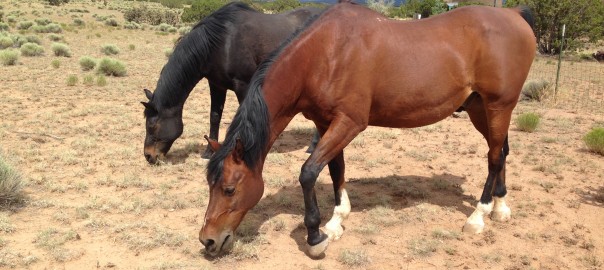
Yesterday my mare Zuzka was the last to come back in from the pasture. The two boys came in willingly as they knew it was feeding time. She knew this too, but she loves grazing more than anything, even dinner.
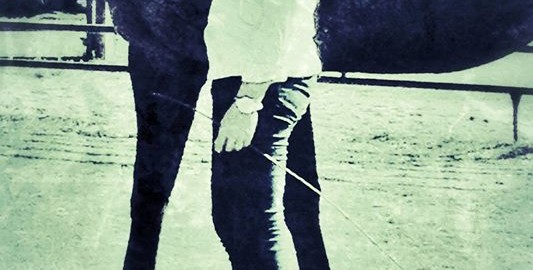
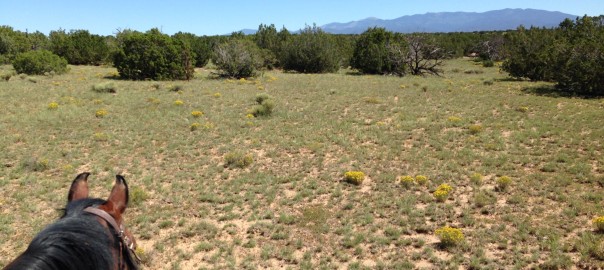
Last year, my older gelding Khami, at 24, was diagnosed with Cushings. This is common for older horses these days. But there are many things that can be done to maintain the health of an older horse so that his organs and other body parts function well, in spite of the aging process.
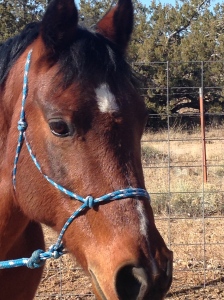
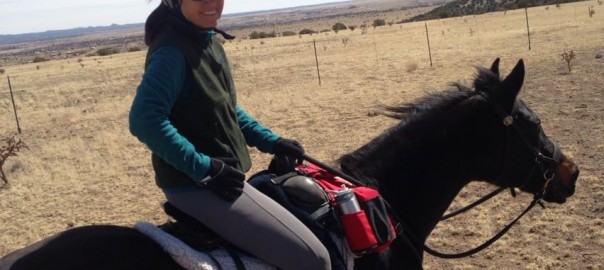
Riding is the next step in our relationship with our horse. Working with relationship on the ground comes first, then the saddle.
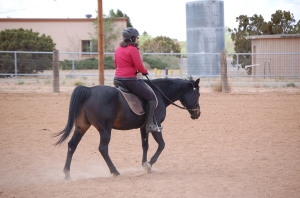 Continue reading Better riding through Ortho-Bionomy on horseback
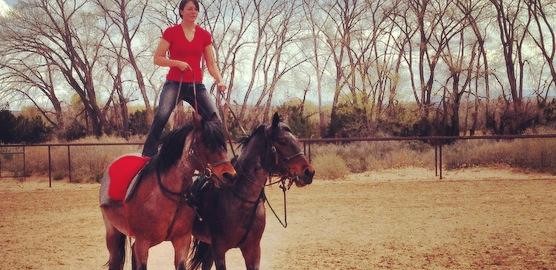
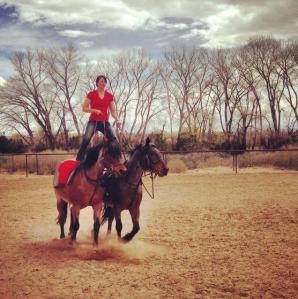
Yes, this is exciting, but don’t try this without professional guidance! You will need to know your horses inside and out and know you have the balance required to accomplish this feat!