When I lived in New York City in another lifetime, I always wondered what it would be like to be a cab driver and hear all these personal conversations.
I think of horses having to hear all our conversations. Many times I think humans don’t realize the importance of their words, their stories, the emotional impact behind what falls out of their mouths.
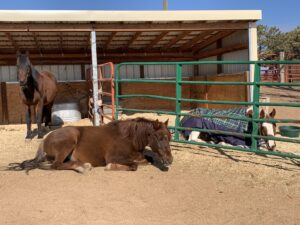
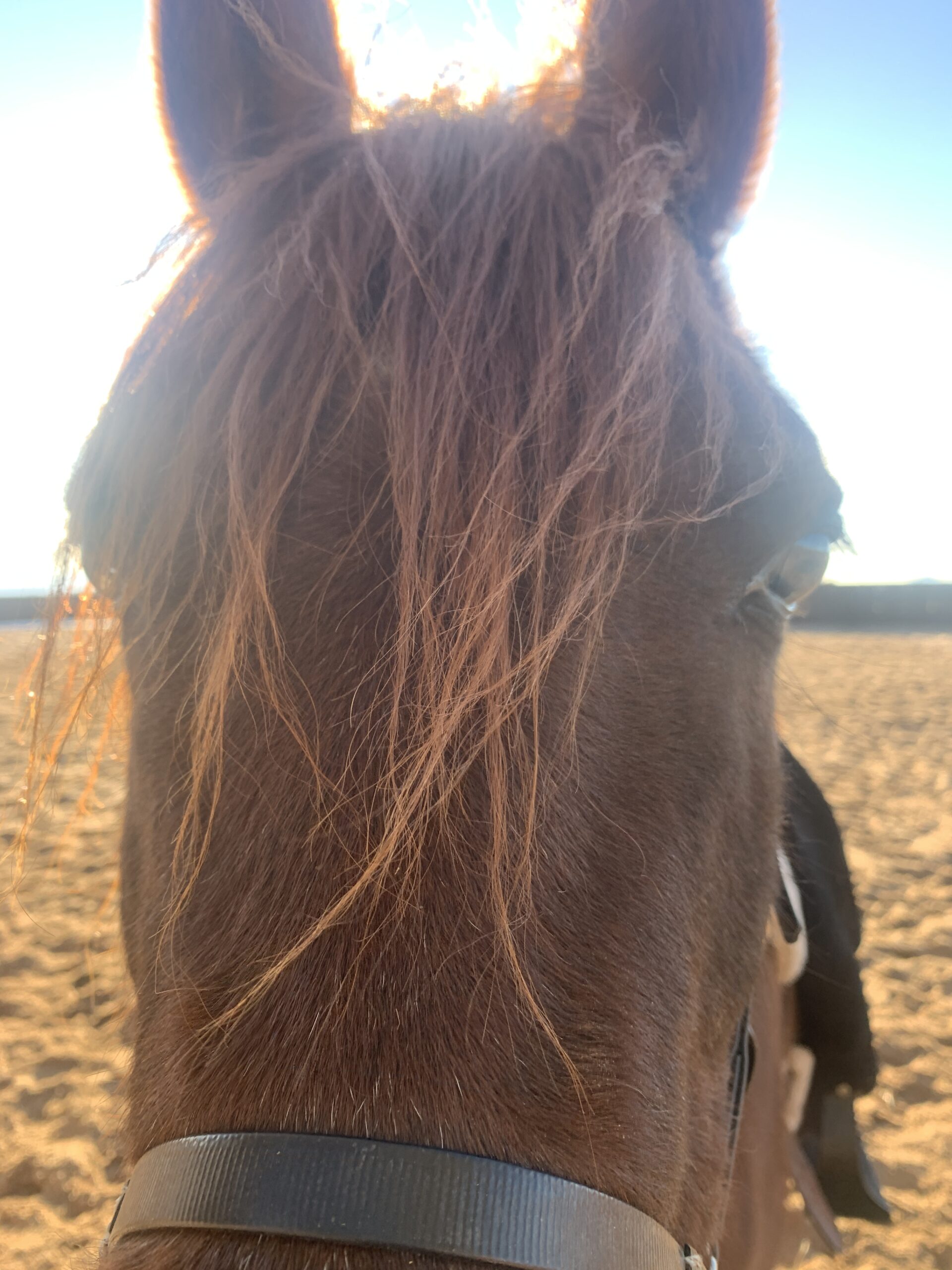
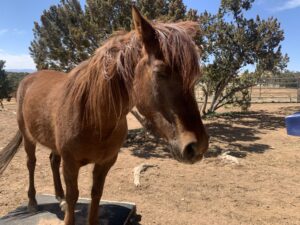
This has come back to me recently with my young mare, Red. I get the distinct feeling that she doesn’t want to be referred to as a “rescue,” so I will refer to her as my young, adopted mare whom I got from a loving sanctuary. She has had a hard life packed into a short period of time and no one needs to hear that story over and over again.
Imagine if I was introducing you, my friend or colleague, and I said, “This is my friend Lucy. She was in a foster home; her father beat her and she nearly drowned when she was two years old.” Rather than, “I’d like you to meet Lucy, she’s a gifted painter and beautiful rider.”
 We would like to be introduced in the best light possible. I say things that are true about Red and any horse that I know, if I know enough about them to comment. I say, she is the bravest, most courageous mare I have ever known, beautifully willing and enthusiastic. (If anyone will give me that much airtime!) And it is all true.
Recently, the true characters of some people have come forward for me with regard to her, and while some of these – even professionals – have been around for some time and well regarded, I have felt disappointed by their response and lack of respect for my horse and for others. They may not talk disrespectfully about all horses but if they do that about just one, it’s in their hearts.
A lot of this arises out of fear, as horses who have been mistreated in the past may respond in a flight/fright mode. Some horses really aren’t safe to be around. We don’t know what they might do. I understand that, and it may mean not working with that animal or minimizing contact. In all these situations, it’s important to recognize our fear of the horse who doesn’t do exactly what we want or might exhibit some unwanted behavior. Recognize what the animal is able to offer and start from there. The horse may behave very well with its owner but have trouble with strangers, and it takes awhile to overcome what abuse may have taken place at the hands of strangers.
Also, people who call horses unflattering names are not doing horses any favors. It’s fine to call them little gentle pet names like goofballs, which I’m fond of calling my geldings, but not mean names. The horse takes it all in. My sense is that they have heard the bad name before in a much less pleasant setting and it brings back memories. I’ve noticed my mare Red has a sensitivity to certain names and I expect that she’s heard those mean names before.
Even a story of another horse’s trouble can upset a horse. And I know this sounds crazy to some, but the horse feels it and the horse can see it in pictures. The horse may convey those pictures to me. My horses do that, and some client horses do too.
I used to go into this whole thing about relaying stories about how someone mistreated a horse and how awful that was, but the horse doesn’t want to attach itself to that story anymore. It wants the new beginning it’s been offered, the new richness of love and respect. If I need to discuss background with an owner, I will try to minimize the story, have them fill out a form beforehand, or talk about it away from the horse. Ultimately, the horse’s demeanor and body will tell the most important parts of the story.
We have more rescues and horses who may have come on hard times after being worked really hard, won their owners money or other kudos, than ever before. Horse shelters and kill pens are overflowing. And so many horses have lives the equivalent of going from one home to another, as in a foster care situation, or worse, knowing they are one step away from slaughter. This is hardly good for their self-esteem.
With that said, there are some horses who want to be the subject of the story, and enjoy hearing how they were rescued or how they got well after being ill for a long time. Usually it’s an older horse that feels proud of what he or she has accomplished. I have one like that – I can talk about his story and he is very pleased to have people know about him. But I talk about it in a way that shows how proud I am of his accomplishments and that helps people know him better and admire him.
For the hour or hours that I’m entrusted with a horse’s care, I bring my best to them, and I want to acknowledge their gifts, their personality, who they really are. That’s the beginning of any session we share. I can’t bring them all home with me, but that time we share is a healing time just for them and their owners. I want it to integrate into their daily lives as a positive change.
Bottom line: horses are in our care, and if we bring them our joy at seeing them, remarking on something really cool or positive about them each day, their nervous systems will surely relax and seek to connect.
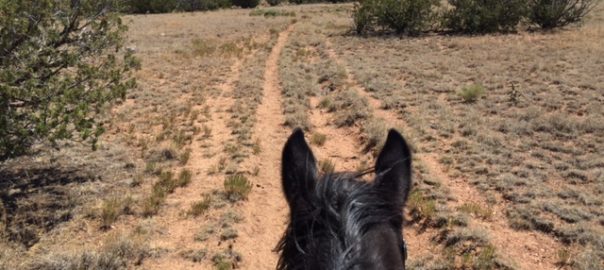
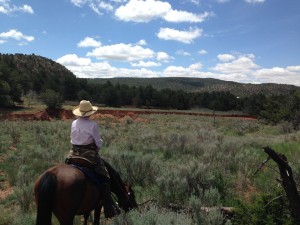 As my horse and I travel up the rise of the one track trail onto the mesa it feels and looks different somehow. Not just the weather has kept me away for a few months. Injuries, new horse training. All that went before falls away as we get to experience the lightness of steps and rhythm of the shift in terrain.
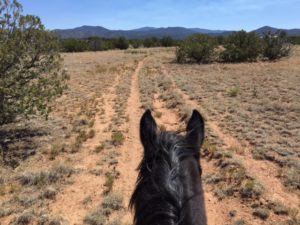 I feel when I am riding this horse that we have known each other forever, before we ever met in person, before I ever slipped on his back. There is something amoebic about it, like a James Michener novel, a “knowing” from the beginning of time. It took no time at all to come together as person and horse, horse and rider. He was already trained but highly nervous in his response to life. A horse that made me feel good because it was apparent that it was all about the relationship and the relationship was easy from the beginning. We were what each other wanted and needed. It wasn’t one of those “relationship-building” challenges we hear so much about.
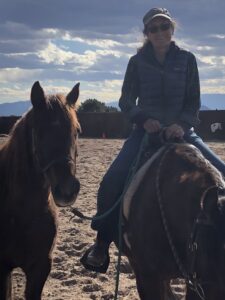 Years ago, when I was riding endurance, many rider/horse teams would head to El Paso during the winter months to ride. Horses had not had much riding time in the colder climates so one had to be careful as they traveled in the deep desert sand. Often the injuries that went unnoticed from the winter riding would appear in the spring.
 ve around freely is different than the measured, focused exercise we ask of a horse in daily work. Both are very important.
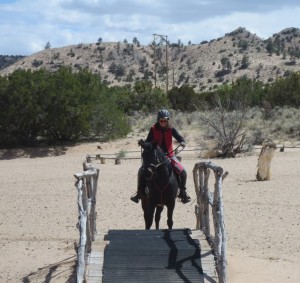 Walking on different types of terrain for horses who can manage it is vital.
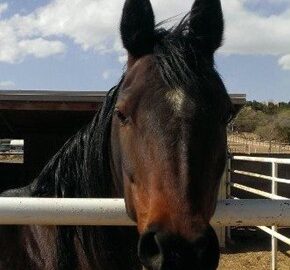
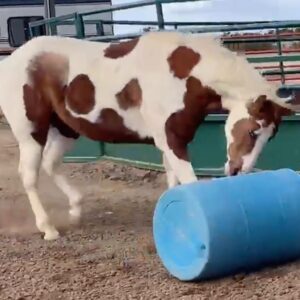 comfortable being ridden anymore. He’s now 26. He enjoys walks and arena activities. He is also teaching our young mare Red to be more curious than she already is. I think this is an excellent way for him to spend his golden years.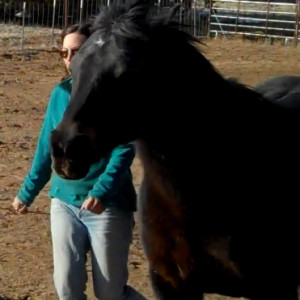
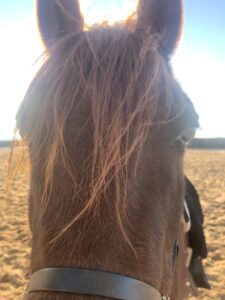
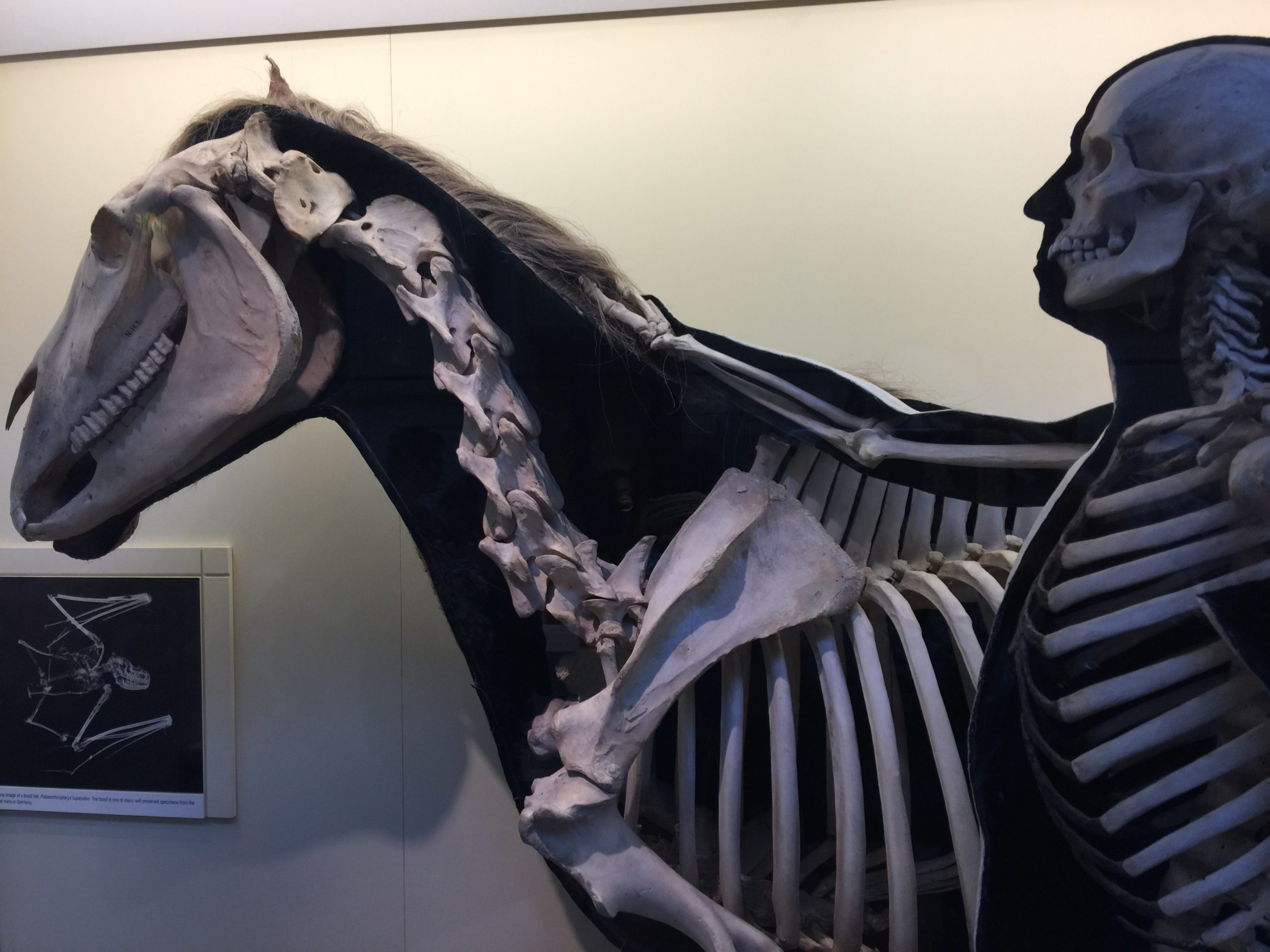 Generally, back pain affects the entire body. If you have ever experienced back pain, it can have a debilitating affect on your activity, from walking to sitting, standing and even lying down. If someone wants to make you do exercises if you’re in excruciating pain, that can be the worst thing for you.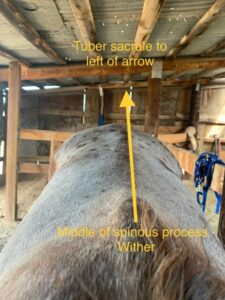
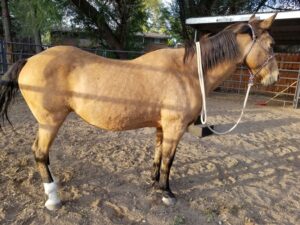
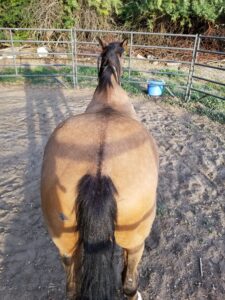
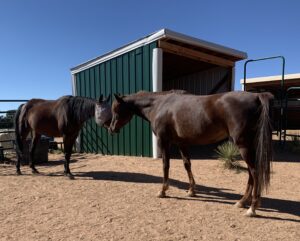
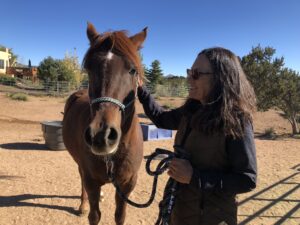 Red isn’t a replacement, she is her own horse. She is young and curious about everything, and especially her interactions with humans and her training. She loves her training. What I’m seeing in her is that everything is an adventure. While her first years were fraught with uncertainty, fear and mistreatment, when she didn’t want anyone to catch or touch her, she has now landed somewhere where everyone listens to her and she wants to listen.